In this blog we will explore the different types of boats, highlighting their distinctive features and the specific maintenance needs of each one of them. From overhauling engines, gearboxes, marine generators, transmission and propulsion system, to replacing spare parts such as oils, filters, belts, impellers and parts of the cooling system.
The different types of vessels that exist today respond to very different needs within the maritime sector. From boats designed for leisure and recreational sailing to industrial vessels used for transport or professional fishing, each model has specific characteristics in terms of both design and marine mechanics.
Understanding the different types of boats and their applications is essential to know what maintenance requirements they have, what type of engine they use and which mechanical systems are most common in each one. In addition, understanding the differences between the various classes of vessels helps detect potential faults, improve engine performance and ensure safe and efficient navigation.
Whether you are the owner of a pleasure yacht or a professional fishing boat, this tour through the different types of boats and their characteristics will provide you with valuable information to keep your boat in perfect condition.
Classification of the different types of vessels
When talking about types of motorboats or marine vessels, we can classify them according to different criteria:
- Recreational vessels.
- Fishing vessels.
- Commercial vessels.
- Military and surveillance vessels.
- Passenger transport vessels.
- Cargo and freight ships.
- Rescue and salvage vessels.
- Towing vessels and tugboats.
Each of these classes of vessels uses specific mechanical systems, engines and configurations that require regular inspections and professional maintenance.
10 types of boats that commonly use inboard engines and of which we are experts:
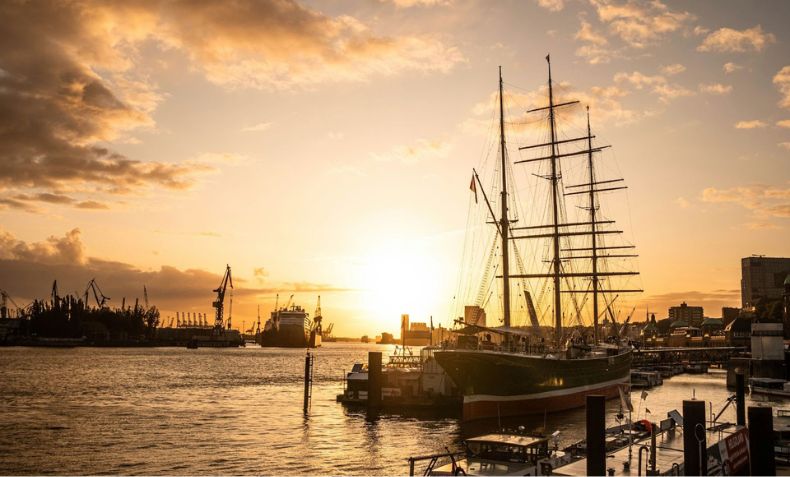
- Yacht: a recreational vessel with a powerful engine, ideal for offshore navigation. The engines are generally diesel and require an efficient cooling system, as they generate a lot of heat. They also need regular maintenance of systems such as lubrication, fuel and exhaust, which are essential for continuous and trouble-free operation. Yachts are among the most exclusive and sophisticated types of recreational vessels. They usually incorporate high-power engines, advanced electronic systems and multiple comfort features that require constant checks to ensure a safe and comfortable sailing experience.
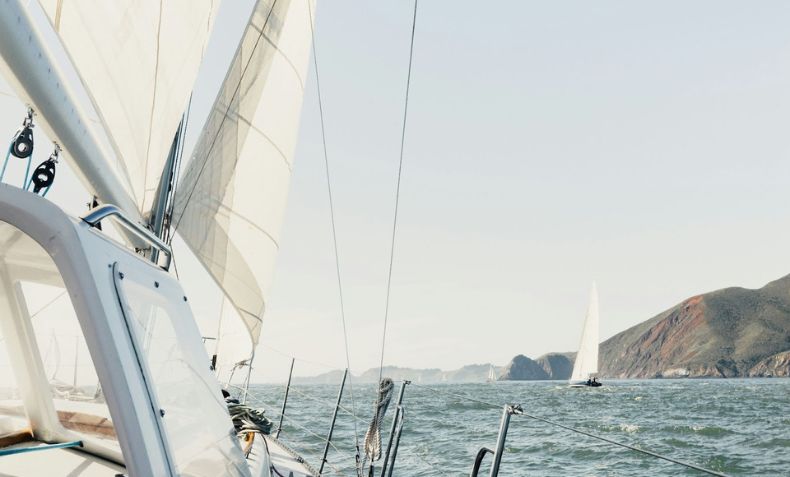
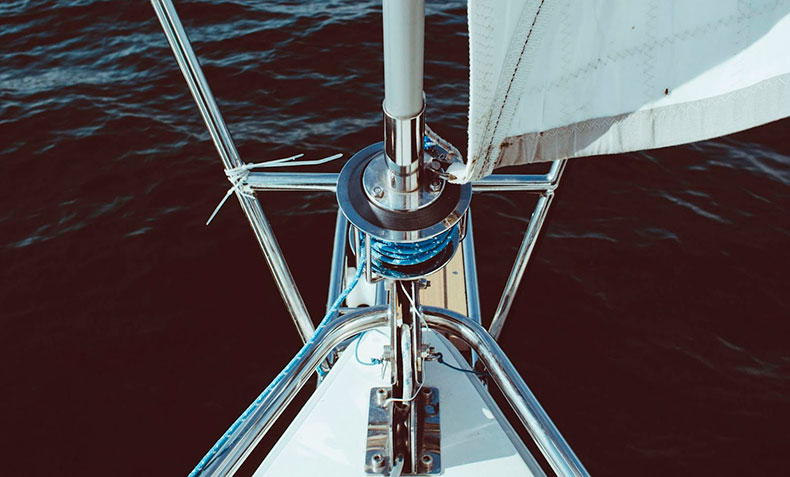
- Sailboat: sailboats are mainly propelled by the force of the wind, captured by their sails. Although they are usually equipped with auxiliary engines for manoeuvring in ports or in calm conditions, sailing is their main means of movement. Among the different types of boats, sailboats stand out for combining traditional navigation with modern technology. Although they mainly depend on the wind, proper maintenance of their auxiliary engines is key for manoeuvres and emergency situations.
- Fishing boat: a boat designed for fishing, equipped with nets and specialised equipment, specifically intended to catch fish and other marine resources. They vary in size, from small fishing boats to large vessels operating offshore. Fishing boats are one of the types of marine vessels that endure the highest mechanical demands due to their long working hours. Their engines must offer reliability, resistance and efficiency under intensive use conditions.
- Catamaran: a vessel with two parallel hulls connected by an upper structure, giving it greater stability and space compared to single-hull boats. Catamarans are used for both recreation and commercial transport. Their design allows them to sail at higher speeds with less water resistance.
- Trimaran: a vessel with three hulls: a main central hull and two smaller hulls on the sides, known as floats or amas. This design provides excellent stability and speed, making it popular in both sports sailing and luxury cruising.
- Passenger boat: a vessel designed to transport people on short or long journeys, either on regular routes or tourist cruises. These boats vary in size, from ferries that cross rivers or straits to large cruise ships that offer a luxury experience on the open sea.
- Tugboat: a highly powerful vessel designed to manoeuvre, push or tow other vessels, such as large ships, floating platforms or barges, especially in ports, canals and congested areas. Tugboats are compact but robust, equipped with high-power engines and advanced propulsion systems that allow them to perform precise manoeuvres and operate in difficult conditions. Tugboats are one of the most powerful types of motorboats in proportion to their size. They require highly reliable engines and transmission systems designed to withstand continuous effort.
- Ferry: a vessel designed to transport passengers, vehicles and goods on short, regular routes, often connecting islands, coastal cities or river crossings. Ferries vary in size, from small vessels for local routes to large ships capable of carrying hundreds of vehicles and passengers. Their design is optimised for fast and efficient loading and unloading.
- Cargo ship: a vessel specifically designed to transport bulk goods, containers or special cargo across international maritime routes. These ships, which range in size from general cargo vessels to huge container ships and oil tankers, are equipped with large holds, cranes and loading and unloading systems to handle different types of products.
- Maritime patrol vessel: a vessel designed to carry out surveillance, security and control tasks in coastal areas and offshore. Used by naval forces, coastguards and maritime security agencies, these boats are equipped with advanced communication and navigation systems, and often weapons, to carry out patrol and emergency response missions. Patrol vessels can vary in size and capacity, from small fast units to large ships with extended capabilities.
Differences between the types of boats and their mechanical needs
Each of the different types of vessels has specific mechanical requirements. While some boats prioritise speed and manoeuvrability, others need maximum load capacity or resistance during continuous navigation.
For this reason, it is essential to carry out:
- Regular engine inspections.
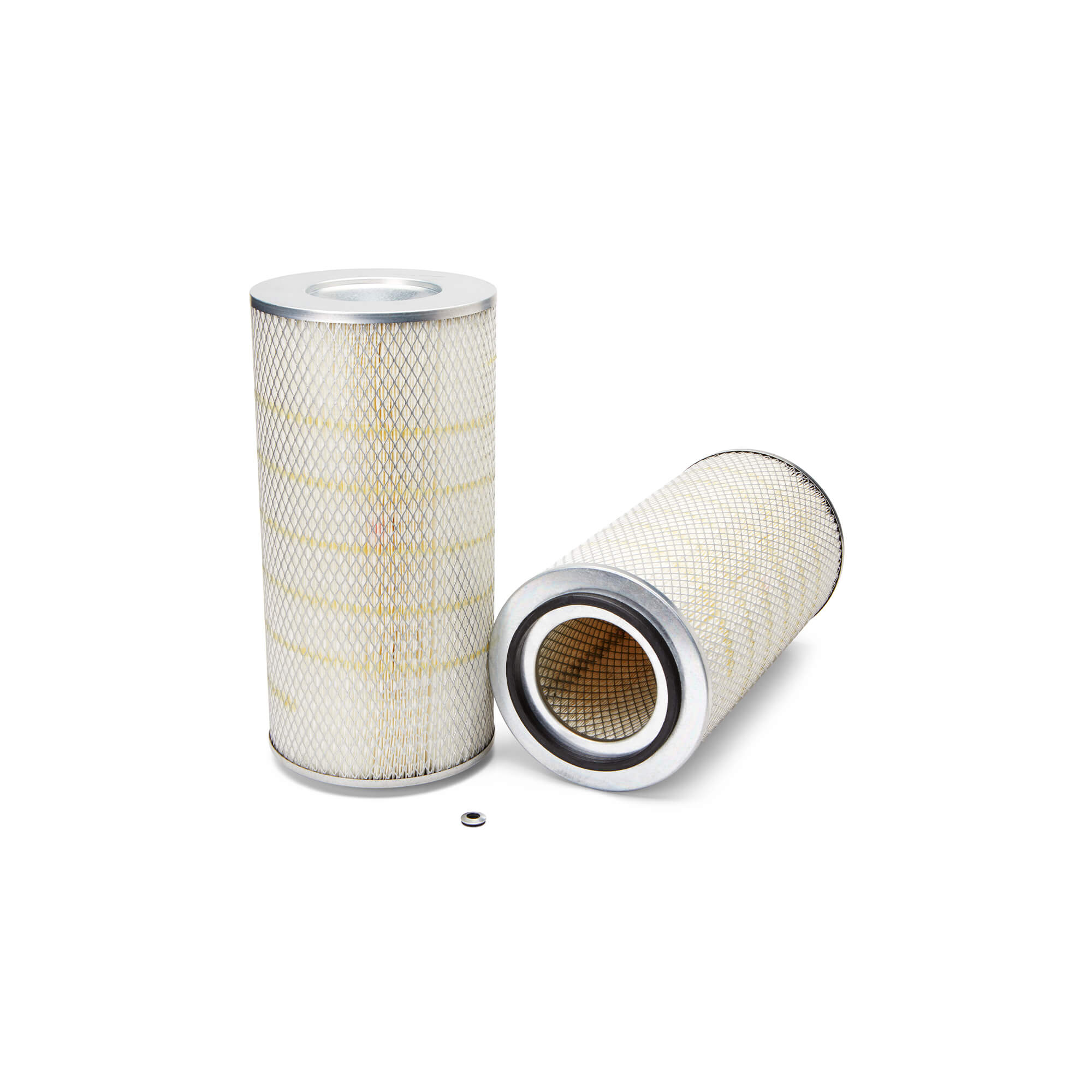
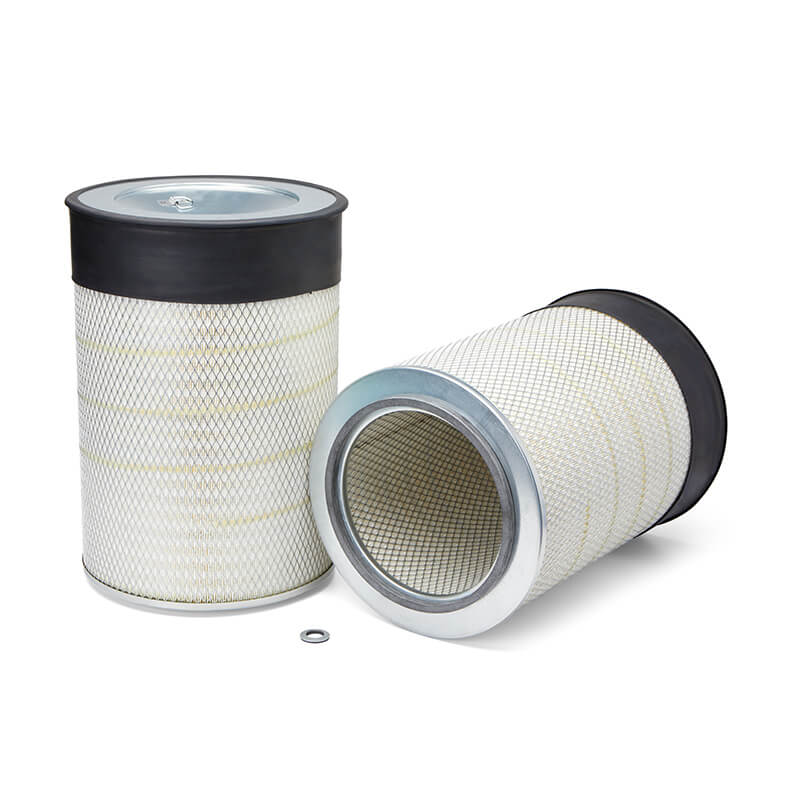
- Preventive replacement of filters and oils.
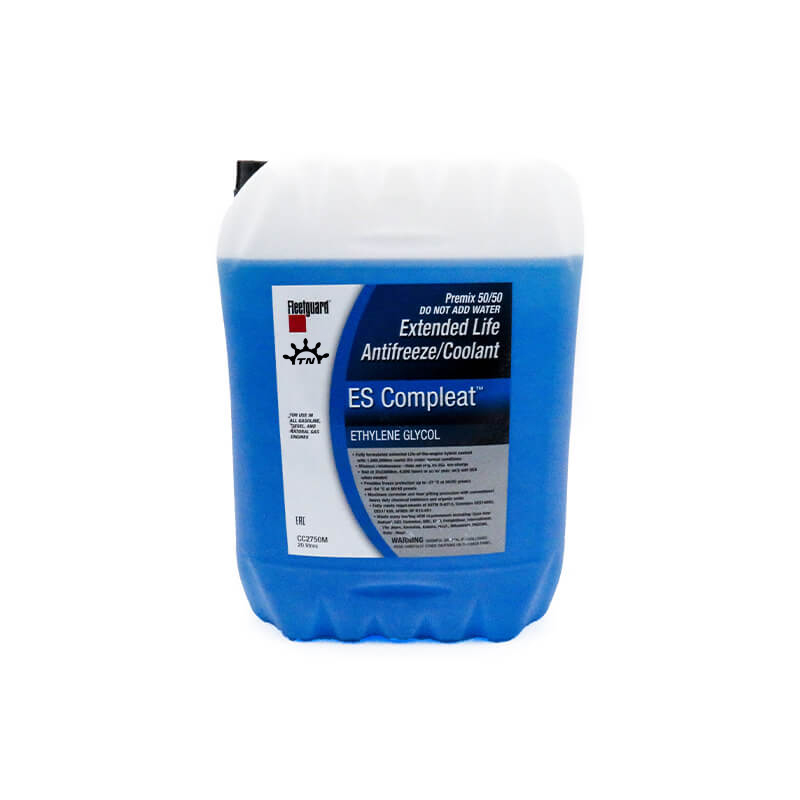
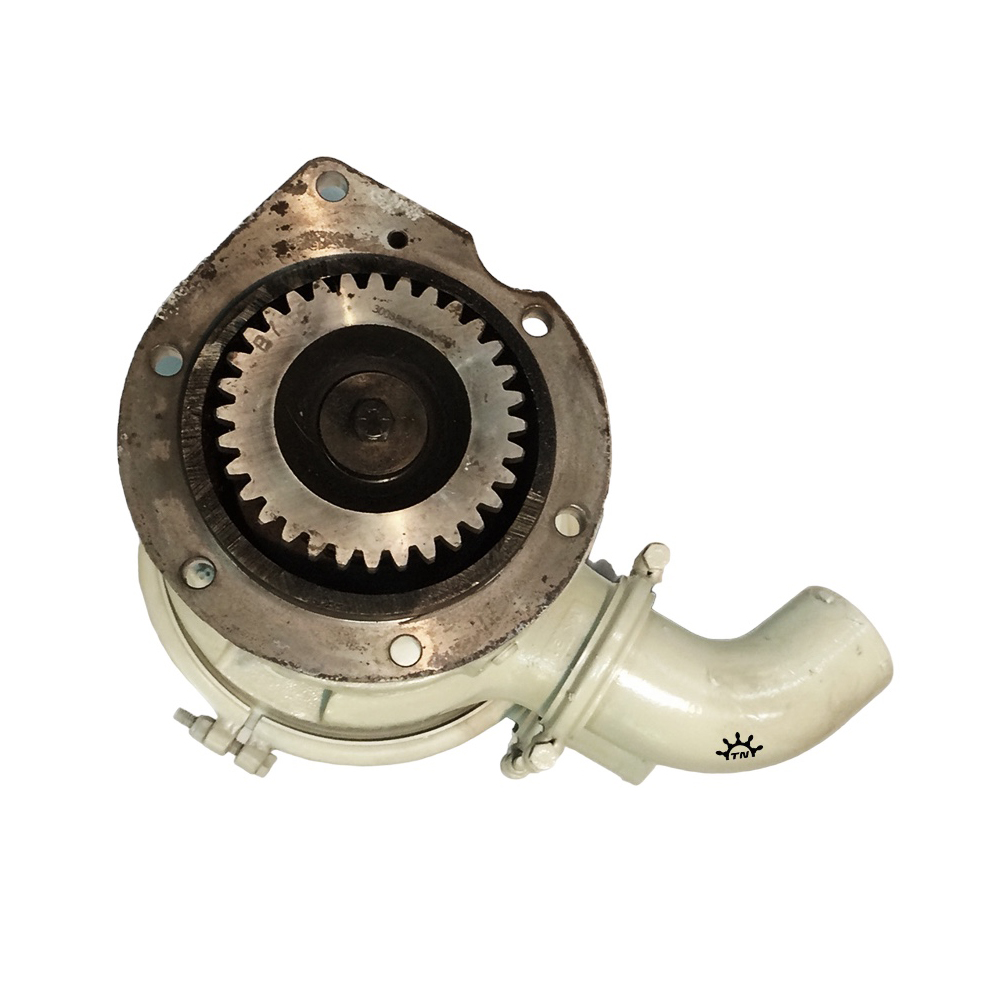
- Inspection and replacement of cooling system spare parts.
- Verification of transmission and propulsion systems.
- Generator maintenance.
- Gearbox maintenance.
At Talleres Nasio, we understand the specific characteristics of each class of vessel and work with specialised components and spare parts to guarantee the best possible performance.
Talleres Nasio: experts in different types of vessels
At Talleres Nasio we pride ourselves on being a reference in the maintenance and repair of all types of boats, both fishing and recreational.
With over 70 years of experience in the marine mechanical sector, our team of highly trained mechanics understands the specific needs of each type of boat, ensuring that every boat that passes through our hands is in perfect condition to face the challenges of the sea.
Fishing vessels
We know that fishing boats depend on robust engines capable of operating for long days in often difficult conditions.
At Talleres Nasio we offer preventive maintenance services and specialized repairs that ensure your vessel is always ready to go fishing. We understand the importance of keeping every component in optimal condition to maximize productivity and minimize downtime on all types of fishing vessels.
Recreational boats
For those who sail for pleasure, safety and comfort are top priorities. Whether you own a yacht, sailboat or other type of boat, at Talleres Nasio we have the expertise to take care of all types of pleasure craft.
We offer a personalized and totally exclusive service to each client, ranging from engine and generator overhauls to transmission and propulsion system overhauls. We want you to enjoy every trip to the sea with the peace of mind of knowing that your boat is in the best hands.
Commitment to quality and satisfaction
At Talleres Nasio we not only repair boat equipment, but we also build lasting relationships with our customers, based on trust and the quality of our work. Our workshop is equipped with state-of-the-art technology, which allows us to diagnose and solve problems efficiently and effectively.
In addition, our staff is up to date with the latest innovations in mechanics, and more specifically in Cummins engines, which makes us one of the best Cummins services in our country. In addition to being a Cummins reference in Spain and Europe.
Whether you need routine maintenance, an urgent repair, an improvement or you need spare parts for your boat’s engine, in Talleres Nasio we are ready to offer you the best service. We are passionate about what we do, and that is reflected in the quality of our work.
If you are looking for a mechanical workshop or a reliable spare parts sales service for your fishing or recreational boat, do not hesitate to contact us. At Talleres Nasio, your boat is in the best hands.